No hot water
Controls, fuel or power supply, heating components and overall system condition can affect hot-water production.
WATER HEATERS
A-1 helps North Shore homes and businesses restore reliable hot water. Repair or replacement starts with the symptoms, equipment condition and the needs of your household or building.
DIAGNOSE BEFORE DECIDING
Controls, fuel or power supply, heating components and overall system condition can affect hot-water production.
The source matters. Connections, valves and the tank itself can call for different solutions.
Review demand, available utilities, venting, space and installation conditions before selecting a replacement.
UNDERSTAND YOUR OPTIONS
Use these considerations to start a conversation. A-1 can evaluate the actual installation and explain suitable options.
Gas or electric · A ready reserve
An insulated tank keeps hot water ready for use. After hot water is drawn, the burner or electric elements heat the replacement water.
A practical choice for a straightforward replacement when the existing space, utilities and household demand already suit a tank.
Stored water handles short bursts of demand, and a compatible replacement can keep installation work simpler. Gas and electric models offer different installation and operating costs.
The supply can run out during heavy use, followed by recovery time. Stored water also loses heat between uses. Size by peak-hour demand and first-hour rating—not tank gallons alone. Gas models need suitable venting; electric models need the correct circuit.
For example, Rheem Performance atmospheric gas models list a 6-year limited tank and parts warranty. Compare the exact model’s tank coverage with its parts and labor terms; a tank warranty does not automatically pay for removal and installation.
Rheem · Storage-tank warranty ↗
DOE · Water-heater types ↗On-demand heat · Less storage space
Water heats as it passes through a heat exchanger, rather than being kept hot in a large tank. Gas and electric versions have different utility requirements.
Worth considering when space is limited or longer hot-water draws are common, provided the unit can meet the simultaneous demand.
Avoids the standby heat loss of a large storage tank and can keep producing hot water while demand stays within its rated capacity.
Continuous does not mean unlimited flow. Two showers and laundry may exceed capacity; colder incoming winter water reduces available output. Gas-line, venting or electrical upgrades may be needed. Water-quality care and descaling matter. Hot water still takes time to travel to the tap.
Compare heat-exchanger, parts and labor coverage separately. Rinnai lists 1 year of reasonable labor coverage, with eligible products able to extend that to 5 years through registration within 90 days of purchase. Model eligibility and the written warranty apply.
Rinnai · Warranty and registration ↗
ENERGY STAR · How tankless works ↗Efficient electric water heating
Moves heat from surrounding air into a storage tank. Many hybrid models also use electric resistance elements to help during high demand.
Especially useful to consider when replacing standard electric resistance equipment, with enough suitable air space, drainage and electrical capacity.
Uses less electricity than standard resistance heating under suitable conditions. It can also cool and dehumidify the surrounding space while operating.
Needs manufacturer-specified air volume, temperature range and clearances, plus condensate drainage. Fan noise and cooler room air affect placement. Recovery in heat-pump mode can be slower, and frequent backup-element use reduces savings. Tank sizing should match busy-hour demand.
A. O. Smith offers a 10-year limited heat-pump water-heater warranty for covered models. Check the specific tank, heat-pump components and labor provisions rather than assuming every repair is covered for 10 years.
A. O. Smith · Heat-pump warranty ↗
ENERGY STAR · Heat-pump design considerations ↗Hot water powered by your boiler
A separate insulated tank receives heat through a heat exchanger connected to the boiler. The drinking water and boiler water stay in separate circuits.
Often worth evaluating in a home with a compatible, efficient boiler—especially when replacing an existing indirect tank or upgrading the heating system.
Uses the existing boiler as its heat source and can provide strong recovery when the boiler, tank and controls are properly matched. The tank does not need its own burner or flue.
Performance and running costs depend on the boiler and controls. The boiler must run for hot water even outside heating season. Space, piping, priority controls and boiler capacity need review; a boiler outage also affects domestic hot water.
Some indirect tanks offer limited lifetime residential coverage. HTP’s SuperStor Ultra is one example for qualifying models manufactured after January 1, 2020; its commercial term differs. “Lifetime” has conditions—review ownership, registration and exclusions. The boiler has its own separate warranty.
HTP · Indirect-tank warranty ↗
Amtrol · Indirect water-heater guidance ↗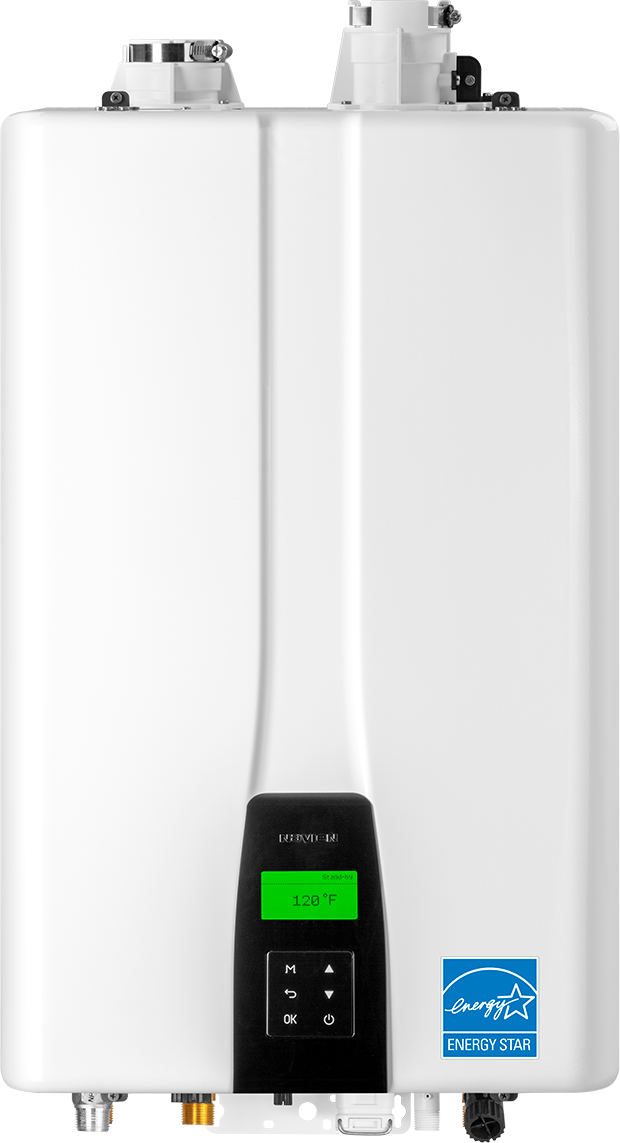
THE INSTALLATION MATTERS
Access, piping and nearby equipment all affect how the work gets done. We look at the actual space before recommending the next step.
DID YOU KNOW?
ENERGY SAVINGS
Heat pump water heaters transfer heat into the tank. ENERGY STAR says certified models can use about one-quarter of the energy of a standard electric model. Installation conditions and hot-water demand affect results.
ENERGY STAR · Efficient water heaters ↗HEALTH & SAFETY
Gas- and oil-fired water heaters need proper venting and routine professional service to help prevent carbon monoxide buildup. CDC recommends servicing fuel-burning appliances every year.
CDC · Appliance safety ↗Savings vary with your equipment, usage and local utility rates. Ask A-1 which options fit your property.
BEFORE WE ARRIVE
Tell us whether the unit is tank or tankless, its approximate age if known, and what changed: no hot water, inconsistent temperature, leaking or unusual noise. A model number can also help.
Call A-1 directly. Do not remove covers or attempt gas, electrical, venting or pressure-relief repairs. Use an accessible water shutoff only if you know how to operate it safely.
YOUR NEXT STEP
Tell us what’s happening. We’ll review your request and discuss the next step.