Sediment & particles
Visible sand, silt or debris may point toward sediment filtration. Identify the source as well as the treatment need.
WATER TREATMENT & FILTRATION
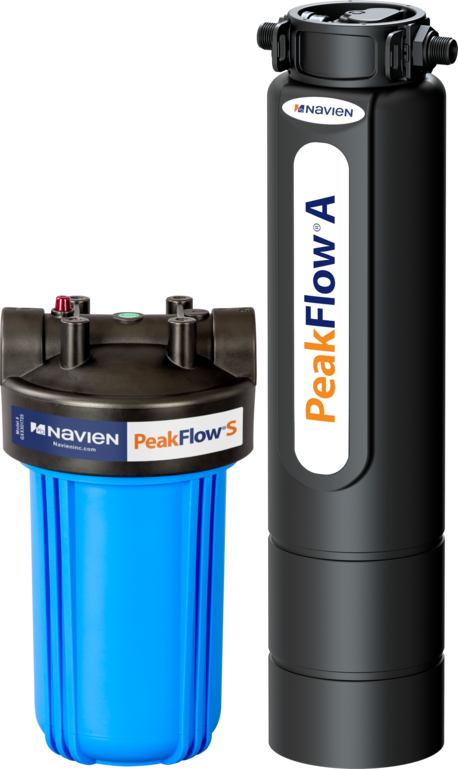
A-1 helps North Shore homeowners and businesses choose water filtration and treatment around their actual water concerns. Start with water quality, then match the equipment to the results and your plumbing system.
A PRACTICAL START
Appearance and taste alone cannot identify a contaminant. Existing laboratory or municipal water information is a useful starting point.
Visible sand, silt or debris may point toward sediment filtration. Identify the source as well as the treatment need.
Carbon-based filtration can address certain tastes and odors. The right media depends on the specific concern.
Hardness, iron and manganese are different issues. Testing helps determine which treatment approach is appropriate.
WHERE SHOULD TREATMENT HAPPEN?
Equipment treats incoming water before it is distributed through the home. Consider flow, available space, bypass access and maintenance.
A focused option when treated water is needed at a specific fixture. Equipment selection depends on the water concern and how the tap is used.
FROM QUESTION TO SOLUTION
Share symptoms, test results and where the issue appears. Water-quality testing may be appropriate before equipment is selected.
Review equipment placement, flow, bypasses, drainage and the plumbing conditions before choosing a system.
Understand replacement filters, service access and the equipment’s maintenance requirements.
DID YOU KNOW?
Understand the risks, protect your equipment and choose treatment based on what is actually in your water. These concerns do not mean your home’s water is contaminated.
LEAD & CHILDREN
Lead can harm children’s developing brains and nervous systems, affecting learning, behavior and growth. Children may have no obvious symptoms. If exposure is suspected, ask your child’s healthcare provider about a blood lead test.
CDC · Lead and child development ↗DRINKING WATER
Lead can enter water from plumbing materials. Formula prepared with contaminated water can be a particular concern for infants. Use cold water for drinking and cooking; boiling does not remove lead. Choose a filter specifically certified to reduce lead and follow its replacement schedule.
CDC · Lead in drinking water ↗SKIN COMFORT
Research found that washing with hard water increased detergent residue and skin irritation under study conditions, particularly in people with eczema. Persistent dryness, itching or rashes deserve medical advice as well as a look at your water and washing routine.
Skin research · Hard water and irritation ↗EQUIPMENT & ENERGY
Heating hard water can leave mineral deposits inside water heaters and plumbing. Scale can reduce efficiency, restrict pipes and increase water-heating costs. Hardness itself is generally a nuisance rather than a health hazard; measure it before choosing scale-control equipment.
USGS · Hardness and equipment ↗PRIVATE WELLS
CDC recommends annual private-well testing for total coliform bacteria, nitrates, total dissolved solids and pH, with additional tests based on local risks. Test again when household circumstances change, including a pregnancy or new baby. Ask a certified laboratory or health department which tests fit your well.
CDC · Well-water testing ↗SYSTEM CARE
Some whole-home filters remove disinfectants that help control germs. Stagnant water and poorly maintained systems can allow germs to grow. Follow equipment care instructions and discuss additional precautions with a healthcare provider if someone in the home has a weakened immune system.
CDC · Preventing waterborne germs ↗WATER QUALITY
A filter that improves taste may not remove the germs or chemicals you are concerned about. Choose treatment for the specific water-quality issue and check the product’s removal claims.
CDC · Choosing a water filter ↗SMART SPENDING
Point-of-use filters treat water at a tap; whole-home systems treat incoming water. Test or review your water quality first, and include replacement cartridges and maintenance in the cost comparison.
CDC · Choosing a water filter ↗Savings vary with your equipment, usage and local utility rates. Ask A-1 which options fit your property.
PRIVATE WELL WATER
Massachusetts well owners should use a state-certified laboratory and consult their local board of health. A well’s appearance and taste cannot establish that its water is safe.
Arsenic occurs naturally in some Massachusetts groundwater. Long-term exposure to elevated levels can increase cancer risk. Testing is especially important for families with children or a pregnancy; treatment must be selected for the measured contaminant.
MassDEP · Arsenic in private wells ↗Ask about bacteria, nitrate/nitrite and locally relevant contaminants such as arsenic, uranium, radon or PFAS. A softener is not a substitute for this testing. Review results with the laboratory or health department, then verify treatment performance with follow-up testing.
MassDEP · Private-well resources ↗Bring your laboratory report to your consultation so we can discuss an installation suited to your water, flow needs and maintenance plan.
GOOD QUESTIONS TO ASK
No. Sediment filtration, carbon filtration, softening and other treatment methods have different purposes. Identify the concern and review the equipment’s capabilities before making a choice.
Any water-test or municipal water information, a description of the problem, and where it occurs. A-1 can discuss equipment placement, bypasses, drainage and installation requirements.
Yes. Ask about filter or media replacement, required service and access before installation. Follow the selected equipment’s maintenance instructions.
YOUR NEXT STEP
Tell us what’s happening. We’ll review your request and discuss the next step.